Can You Walk on Land in Wetsuit Shoes?
Wetsuit shoes are a go-to piece of gear for many water sports enthusiasts. They offer warmth, grip, and protection in wet environments — but are they practical for walking on land? Whether you’re transitioning from beach to car or exploring rocky shorelines, here’s what you need to know.
What Are Wetsuit Shoes Designed For?
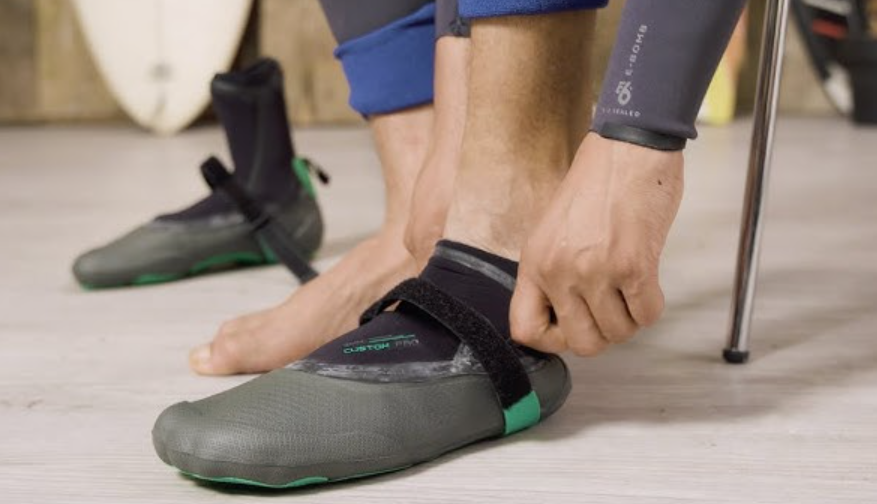
Wetsuit shoes, sometimes called dive boots or neoprene shoes, are primarily made for aquatic environments. They’re designed to keep your feet warm in cold water, protect against cuts or stings, and improve traction on slippery surfaces like boat decks, reefs, or riverbeds. Most are made from neoprene and feature rubber soles that are flexible but not always rugged.
See also: What Is Usually Included in a Renovation Package?
Walking on Land: Is It Possible?
Yes, you can walk on land in wetsuit shoes, particularly for short distances. They’re ideal for transitioning between the water and nearby areas such as docks, parking lots, or rocky beaches. The soles offer basic grip and foot protection, and the snug fit prevents debris from getting in.
When You Should Avoid Walking in Them
While wetsuit shoes are versatile, they’re not made for extended land use. Avoid wearing them on rough surfaces like asphalt, gravel roads, or hiking trails. The soles aren’t built for impact absorption or long-distance walking and may wear down quickly. If you’re doing more land-based activities, consider switching to more durable alternatives. You can explore various options for wetsuit shoes that suit your needs depending on terrain and activity.
Tips for Using Wetsuit Shoes on Land
If you plan to walk on land in your wetsuit shoes, look for designs with thicker, reinforced soles. These offer more protection and last longer. Always rinse them after use to prevent salt and sand from breaking down the material. Let them dry completely before storing to avoid odour and bacteria buildup.
Alternatives If You Need More Land-Friendly Options
If you’ll be walking more than just a few minutes on land, water shoes with structured soles or hybrid amphibious footwear may be better. These are designed to handle both wet and dry conditions, offering better support and longevity while still draining water and drying quickly.
In Summary
Wetsuit shoes are great for short transitions on land but aren’t intended for prolonged walking or rugged terrain. Use them as part of your gear for water-focused activities and switch to more appropriate footwear when covering ground away from the shore.