Choosing The Right Commercial Water Filtering Systems For Your Facility
Maintaining clean and safe water is vital for any facility. From restaurants to offices, water quality affects both operations and customer satisfaction. Choosing the right system can be overwhelming. There are many options, each promising purity and efficiency. Understanding the differences and benefits is key to making the best choice for your facility.
Understanding Commercial Water Filtering Systems
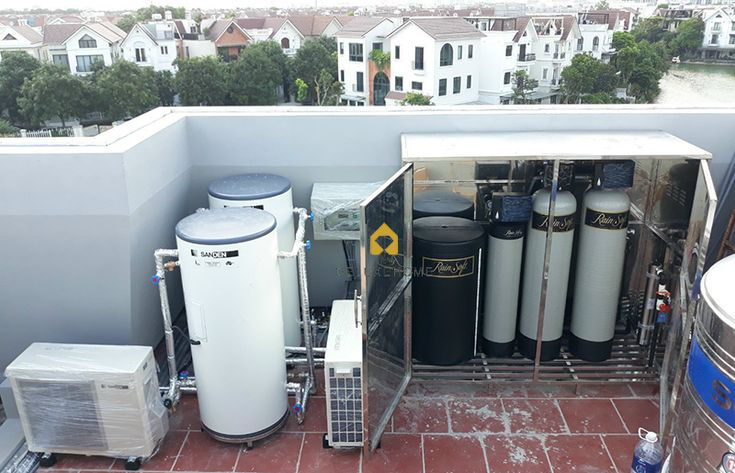
Commercial water filtering systems are devices designed to remove impurities from large volumes of water. They range from simple carbon filters to complex reverse osmosis setups. These systems ensure water is safe for drinking, cooking, and industrial processes. Investing in a high-quality system saves money on repairs and health-related issues. For any facility, the right commercial water filtering systems improve safety and efficiency.
Assessing Facility Needs For Water Purification
Each facility has unique water requirements. Restaurants may need systems that handle high volumes for cooking and drinking. Offices might prioritize taste and odor removal. Hospitals and laboratories demand precise filtration for sensitive applications. Evaluating daily water consumption and usage patterns helps determine the correct system size. Tailoring the solution ensures your commercial water filtering systems meet all operational needs efficiently.
Evaluating Filtration Methods And Technology
Different filtration methods target specific contaminants. Activated carbon removes chlorine and odors, while reverse osmosis tackles heavy metals and dissolved solids. Ultraviolet systems eliminate bacteria and viruses. Some facilities benefit from hybrid systems combining multiple technologies. Understanding which method suits your facility ensures optimal performance. Selecting advanced commercial water filtering systems can protect both employees and equipment over time.
See also: A Complete Guide to House Removals in Melbourne for Stress Free Moving
Considering Installation And Maintenance Requirements
Installation and ongoing maintenance are crucial factors. Some systems require professional installation, while others are plug-and-play. Regular maintenance, such as filter replacement and cleaning, ensures longevity. Ignoring upkeep can lead to system failure and contaminated water. Choosing a system with manageable maintenance schedules guarantees reliability. Properly maintained commercial water filtering systems deliver consistent water quality without interruptions.
Cost Analysis And Long-Term Investment
Cost should be measured beyond initial purchase. Energy consumption, filter replacements, and service fees impact overall expenses. Cheaper options may seem appealing but can incur hidden costs over time. Evaluating the total cost of ownership helps in selecting a system that balances efficiency and affordability. Investing wisely ensures your commercial water filtering systems remain sustainable and cost-effective for years.
Compliance With Health And Safety Standards
Facilities must comply with local water quality regulations. Some industries require specific certifications for filtration systems. Adhering to these standards protects customers, staff, and business reputation. Regular testing and documentation can prevent legal issues and operational interruptions. Choosing certified commercial water filtering systems aligns your facility with health and safety standards effectively.
Conclusion
Selecting the right commercial water filtering systems requires careful planning and research. Consider your facility’s needs, the types of filtration, installation requirements, costs, and compliance standards. A well-chosen system ensures clean water, enhances operational efficiency, and safeguards health. Investing in quality filtration today saves potential problems tomorrow and provides peace of mind for your entire facility.