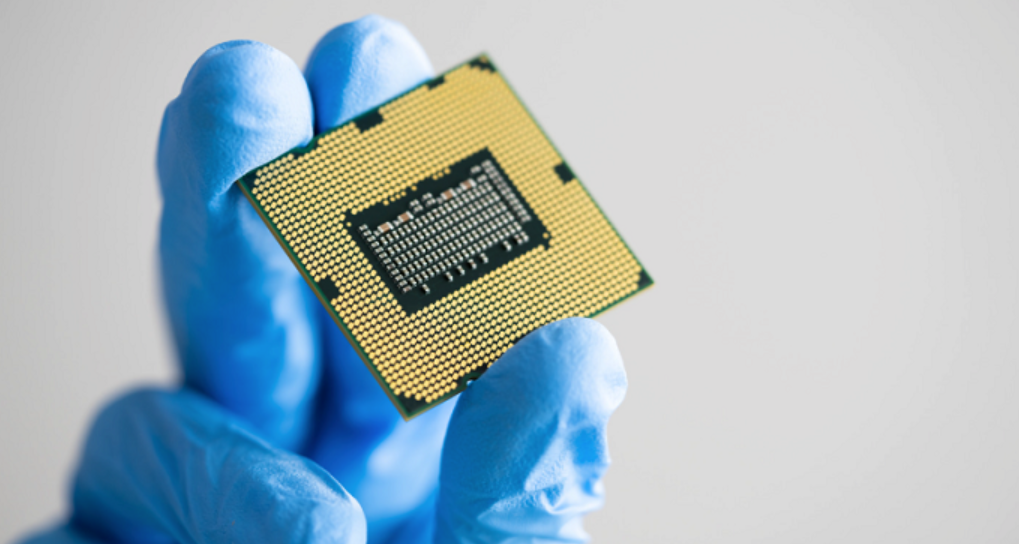
The Future of Computing Beyond Silicon Chips
The landscape of computing is evolving beyond traditional silicon chips, prompting a shift towards alternative technologies. Quantum, neuromorphic, and photonic computing hold the potential to revolutionize processing capabilities. Each paradigm offers distinct advantages, suggesting a future where speed and efficiency redefine computational limits. As industries prepare for these changes, the implications for sectors such as artificial intelligence and cryptography could be profound. What might this new era of computing entail for our daily lives?
Quantum Computing: Unlocking New Possibilities
As researchers delve into the intricacies of quantum mechanics, they uncover the transformative potential of quantum computing, which promises to revolutionize various fields by vastly outperforming classical computing systems.
The pursuit of quantum supremacy validates the efficacy of quantum algorithms, enabling unprecedented computational power. This breakthrough fosters innovation, allowing for complex problem-solving capabilities and opening new avenues in cryptography, medicine, and artificial intelligence.
Neuromorphic Computing: Mimicking the Human Brain
While traditional computing architectures have primarily relied on binary processing, neuromorphic computing introduces an innovative approach by emulating the neural structures and functioning of the human brain.
This paradigm leverages brain inspired architectures to enhance cognitive computing, enabling systems to process information in ways similar to human thought.
Photonic Chips: Harnessing Light for Faster Processing
Although traditional electronic chips rely on the flow of electrons, photonic chips utilize the properties of light to enable faster processing speeds and greater bandwidth.
By employing optical circuits, these chips facilitate efficient light transmission, drastically reducing data transfer times.
This revolutionary approach not only enhances computational performance but also opens new avenues for innovation, appealing to those seeking freedom from conventional limitations in technology.
The Impact of Alternative Computing on Industries
The emergence of alternative computing technologies, such as quantum computing and neuromorphic chips, is poised to significantly transform various industries by introducing unprecedented processing capabilities and efficiency.
These advancements will enhance edge computing applications, enabling real-time data processing and decision-making.
Furthermore, the potential for seamless blockchain integration will revolutionize security and transparency, empowering businesses to innovate and thrive in an increasingly digital landscape.
Conclusion
As the dawn of computing beyond silicon chips approaches, a vibrant tapestry of innovation unfolds. Quantum, neuromorphic, and photonic technologies weave together the intricate threads of speed, intelligence, and adaptability, illuminating paths previously shrouded in darkness. This transformative era not only redefines computational limits but also paints a future where industries thrive amidst the brilliance of newfound capabilities. In this landscape, the potential for profound advancements beckons like a lighthouse guiding humanity into uncharted waters of possibility and progress.