The Future of Connected Cars
The future of connected cars is poised to redefine personal mobility. As technology evolves, vehicles will integrate sophisticated autonomous systems and advanced safety features. Urban areas will adapt, addressing congestion and environmental challenges. Meanwhile, consumer experiences will shift towards tailored navigation and interactive environments. This transformation raises questions about infrastructure readiness and societal implications. What will these changes mean for daily commutes and urban planning?
The Rise of Smart Vehicle Technology
As the automotive industry evolves, the integration of smart vehicle technology has emerged as a transformative force, revolutionizing how drivers interact with their cars.
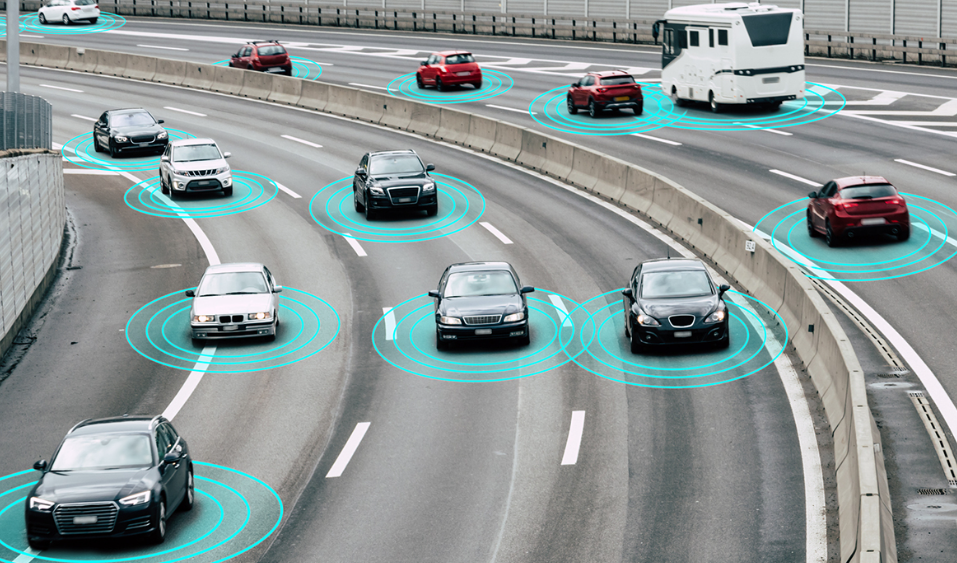
Autonomous driving capabilities enhance the freedom of movement while vehicle connectivity ensures seamless communication between cars and infrastructure.
This technological shift empowers drivers, offering unprecedented convenience and control, ultimately reshaping the driving experience and redefining personal mobility.
See also: The Future of Computing Beyond Silicon Chips
Enhancing Safety and Security Features
The integration of smart vehicle technology not only enhances convenience but also significantly bolsters safety and security features in modern automobiles.
Advanced collision avoidance systems utilize real-time data to prevent accidents, while robust cybersecurity measures protect against unauthorized access.
Together, these innovations ensure a safer driving experience, empowering drivers with the freedom to navigate confidently in an increasingly connected world.
The Impact on Urban Mobility and Infrastructure
While urban areas grapple with increasing traffic congestion and environmental concerns, connected cars present a transformative solution for urban mobility and infrastructure.
Autonomous vehicles can enhance traffic management by optimizing traffic flow and reducing bottlenecks, leading to more efficient urban transport systems.
This integration allows cities to reimagine their infrastructure, promoting sustainable practices and enabling residents to reclaim their time and freedom on the roads.
Consumer Experience and the Future of Driving
Connected vehicles are reshaping not only urban infrastructure but also the consumer experience and the future of driving.
With personalized navigation systems, drivers can enjoy tailored routes that enhance their journeys.
Seamless connectivity allows for real-time updates, transforming in-car environments into interactive spaces.
This evolution empowers consumers, offering unprecedented freedom and convenience, ultimately redefining mobility and the way individuals engage with their vehicles.
Conclusion
As connected cars evolve, they will reshape personal mobility much like a river carving new pathways through the landscape. With advancements in safety, urban infrastructure, and consumer experiences, the future of driving promises to be more efficient and tailored to individual needs. By embracing these innovations, society can anticipate a harmonious blend of technology and transportation, ultimately creating a safer, smarter, and more sustainable urban environment for all. The journey ahead is not just about vehicles, but about intelligent connectivity.