What Makes a Good Vlogging Camera for Real-World Use?
If you have ever tried to turn everyday moments into watchable videos, you already know that gear matters, but not in the way marketing often suggests. A good vlogging camera is not just a block of specs. It is a tool that fits into your real routine, from quick clips before work to long walks on the weekend. It should be easy to carry, simple to control, and reliable when the light is far from perfect. When you judge cameras by how they behave in real life instead of in a studio chart test, you avoid disappointment and end up with a setup that quietly supports your stories. That is when a camera stops feeling like a gadget and becomes part of your everyday life.
Know the way you really shoot
Before you compare models, take an honest look at how you actually record. Do you mostly talk to the lens at home, or do you roam noisy streets, cafés, and stations with your vlogging camera held out at arm’s length? Are you filming short updates or long travel diaries? The answers matter because a student who films between classes may care most about size and quick startup, while a food creator in a small kitchen needs a screen that flips, strong autofocus, and a microphone that copes with sizzling pans and extractor fans. A good vlogging camera matches these patterns instead of asking you to change your habits every time you press record.
Image quality that matches real-world light
In reviews it is easy to focus only on resolution numbers, but a good vlogging camera has to deal with messy lighting, mixed color temperatures, and fast changes between indoors and outdoors. You want a sensor that keeps skin tones natural and avoids crushed shadows or blown highlights when clouds move across the sun. Dynamic range, color science, and noise control all shape how your footage feels long before you touch an editing timeline. If you often film in cafés, bedrooms, or late at night, look for a vlogging camera that stays clean at higher ISO values so your face does not dissolve into grain whenever you sit away from a window.
Handling low light in a vlogging camera
Low light performance becomes obvious the moment you try to vlog after sunset or inside a dim bar. A good vlogging camera will keep detail in your eyes and hair without turning the background into a smeared mess. Pairing a sensitive sensor with a reasonably bright lens lets you stay at safe shutter speeds while keeping noise under control. Just as important is how the camera handles white balance under mixed light, such as shop fronts, street lamps, and phone screens. If your footage shifts color every few seconds, viewers notice, even if they cannot explain why it feels uncomfortable.
Stabilization and autofocus you can trust outdoors
Real walks are not smooth, and most sidewalks are far from perfect. This is where stabilization in a vlogging camera earns its place. Optical or in body stabilization can turn small steps and hand movements into soft, watchable motion instead of distracting jolts. Digital stabilization can help, but heavy cropping might make your framing feel too tight, especially when you are already holding the camera close. When you review sample clips, focus on how the camera handles small bumps when you start and stop walking, not just on slow, steady pans.
Autofocus lives right beside stabilization in importance. A good vlogging camera should find your face quickly, lock onto your eye, and stay there as you move through crowds or turn to show a building behind you. You should be able to hold up an object to the lens and see focus jump cleanly to it, then return to your face without hunting. When this works, you can concentrate on what you are saying instead of worrying whether your footage is secretly unusable.
Audio performance that keeps people watching
Ask viewers why they stop a video, and bad sound comes up more often than soft visuals. A good vlogging camera pays attention to audio, both inside and out. Built in microphones are fine for quick clips, but clear jacks for external mics, simple level controls, and basic wind filtering turn your vlogging camera into a far more flexible storyteller. When you choose a vlogging camera, imagine how easy it will be to plug in a small shotgun mic on top, or to clip on a wireless transmitter when you want to walk and talk in busy streets.
See also: Affordable Miracles: How Fertility Centers in Noida Are Balancing Quality Care with IVF Costs
On-camera vs external microphones
For many beginners the first instinct is to rely on built in microphones, and in quiet rooms that sometimes works. However, as you film more, you realise how much background noise competes with your voice. Pairing a vlogging camera with a compact shotgun mic can gently push the soundstage toward you and away from passing traffic or café clatter. If you are often moving, a wireless lavalier keeps the mic close to your mouth even when the camera is at a distance. The best choice is the one that matches your usual locations so that setting up good audio becomes a habit, not a special event.
Portability, design, and small details you notice every day
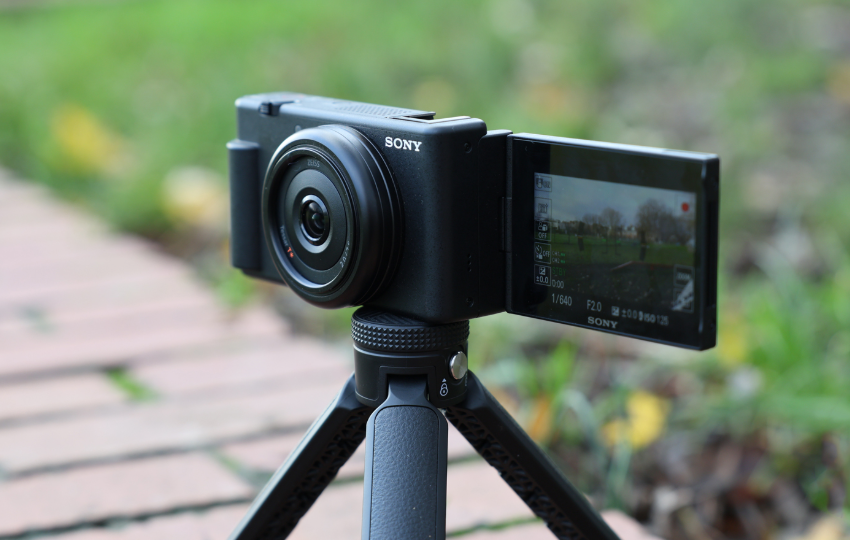
On paper, two cameras can look similar, yet in your hand they feel completely different. Weight, grip shape, and button layout all change how natural it is to pick up your vlogging camera on a tired morning. A side flip screen makes it easy to check framing without twisting your wrist. Clear record lights and logical menus reduce the fear of talking to the lens for minutes only to discover that nothing was captured. Even the position of the memory card slot and battery door matters if you often film on tripods or tiny desk setups.
Battery life and charging options also belong in this “everyday details” group. A good vlogging camera should survive a normal day of casual shooting with a couple of spare batteries. The ability to charge from a simple power bank while recording can save an entire trip. Storage is similar; using common, affordable cards means you are never scared to hit record because space is low. These small conveniences do not show up in dramatic marketing phrases, but they quietly decide whether you reach for your vlogging camera or leave it on a shelf.
A realistic budget and room to grow with your vlogging camera
Price is part of real life too. A “good” vlogging camera is not the most expensive one you can find, it is the one that delivers solid performance without draining the money you need for rent, travel, or props. It often makes more sense to buy a mid range body and invest in a modest microphone, spare batteries, and maybe a small tripod. Those additions have more impact on your results than chasing the last bit of sharpness or a feature you will rarely use. When you respect your budget, you also feel less pressure, which encourages you to experiment and learn.
The final measure of a good vlogging camera is whether it keeps up with your growth. As you gain experience, you may want to try new frame rates, color profiles, or multi camera setups. Choosing a vlogging camera body that offers a little headroom for these ideas means you can stay with it longer, learning its strengths instead of constantly switching gear. In daily use, the ideal camera is the one that feels like a straightforward partner: quick to start, simple to trust, and ready whenever you feel that small spark that tells you it is time to hit record.