What’s the Difference Between Disc and Drum Brakes for Trucks?
Braking systems are critical to the performance and safety of any truck. Whether you’re operating in metro traffic or hauling loads across rural highways, your truck’s brakes must be dependable and suited to your driving conditions. Among the most common systems are disc brakes and drum brakes—each with distinct characteristics, advantages, and maintenance needs.
What Are Disc Brakes?
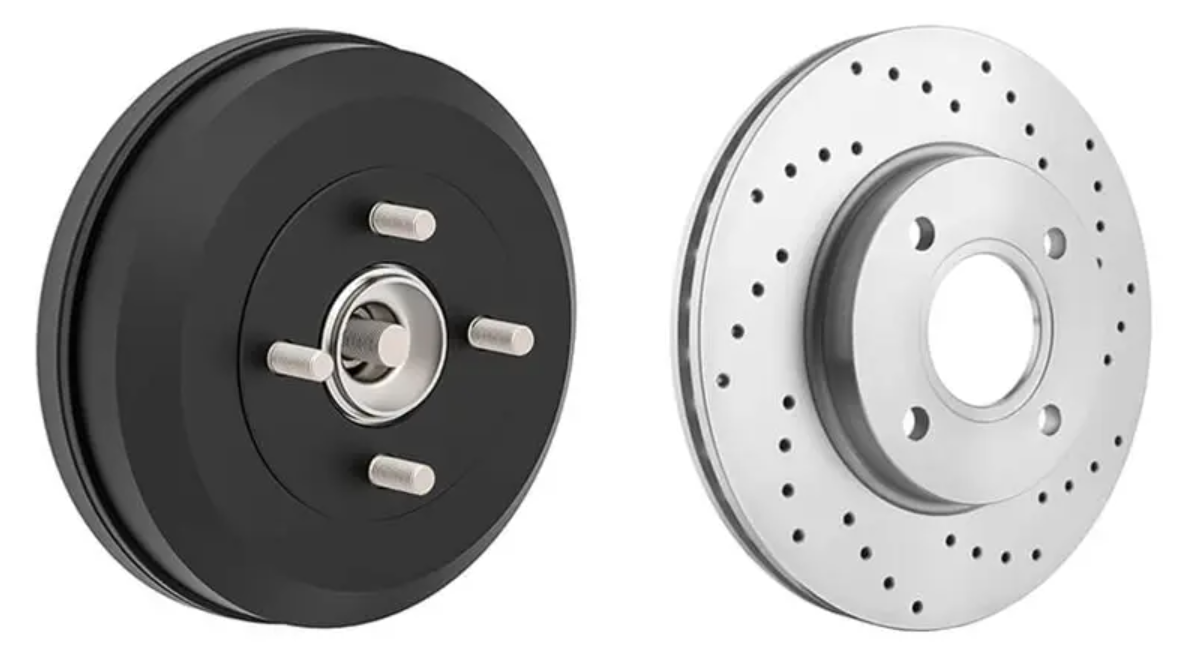
Disc brakes consist of a rotor, caliper, and brake pads. When the brake pedal is applied, the calipers clamp the pads onto the spinning disc to create friction and slow the vehicle. These brakes are often fitted on the front (steer) axles of modern trucks and are becoming increasingly common across all axles due to their performance. Disc brakes are favoured for their superior cooling capabilities, consistent braking power, and quick response time. They also perform better in wet conditions because they shed water more efficiently than drum brakes.
See also: What Is Usually Included in a Renovation Package?
What Are Drum Brakes?
Drum brakes have a different setup: a brake drum rotates with the wheel, and brake shoes press outward against the inside of the drum to create stopping power. While drum brakes may not offer the same cooling efficiency as disc brakes, they provide a large friction surface area, making them ideal for heavy loads and long downhill stretches. They’re also typically less expensive to manufacture and maintain. For a broad selection of replacement brake components in the region, including high-quality drum brake assemblies and hardware, visit truck parts Penrith.
Key Differences Between Disc and Drum Brakes
The most notable distinction between disc and drum brakes lies in heat dissipation. Disc brakes allow air to flow freely around the rotor, preventing overheating. Drum brakes, by contrast, tend to retain more heat, which can impact performance over extended use. When it comes to maintenance, disc brakes are generally easier to inspect and replace, while drum brakes require more time and labour. In terms of cost, drum brake components are often more affordable and are still widely used on rear axles of many heavy-duty trucks. Performance-wise, disc brakes offer better responsiveness and are more resistant to brake fade, especially under repeated or prolonged braking.
Which Brake Type is Better for Your Truck?
Choosing between disc and drum brakes depends on your truck’s configuration, how it’s used, and your maintenance preferences. Long-haul freight operators may prefer disc brakes for consistent performance and reduced wear on steep descents, while construction vehicles and rural operators may stick with drum brakes for their cost-effectiveness and durability under heavy loads. Australian regulations also play a role, with newer safety standards leaning toward disc brakes on steer axles.
The Role of Quality Parts in Brake Performance
No matter which brake system your truck uses, investing in quality parts is essential. Low-grade components can compromise safety, shorten replacement cycles, and lead to higher costs over time. It’s important to source your parts from a trusted supplier that offers proven, durable products designed for the specific demands of heavy vehicles.
Parting Advice
Understanding the difference between disc and drum brakes helps you make informed decisions when buying or maintaining your truck. While disc brakes deliver better performance and reliability, drum brakes remain a solid choice in many applications. Whichever system you use, always prioritise quality parts and regular maintenance to keep your vehicle operating safely and efficiently.