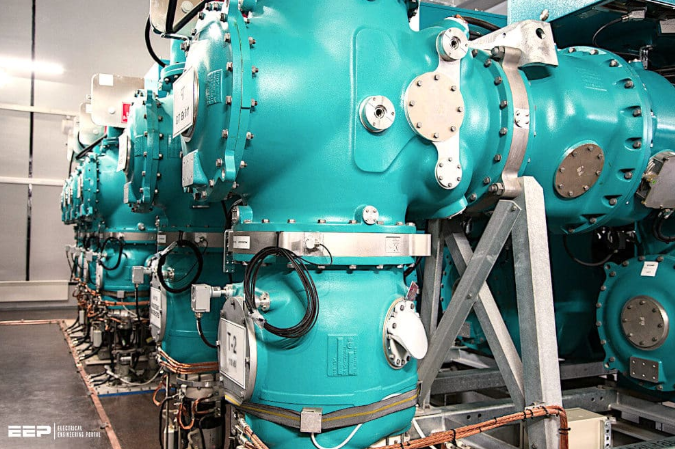
Industrial Guide to Gas Insulated Switchgear (GIS) Systems
The growing demand for reliable, safe, and space-efficient power distribution systems has driven significant advancements in electrical infrastructure. Among the most important innovations in modern power systems is gas insulated switch gear (GIS). Designed to provide superior performance in compact spaces, gas insulated switch gear has become a preferred solution for utilities, industries, commercial facilities, and infrastructure projects worldwide.
Unlike conventional air-insulated switchgear, GIS uses insulating gas to provide electrical insulation and arc-quenching capabilities. This technology allows equipment to be significantly smaller while maintaining high levels of safety, reliability, and operational efficiency. As urbanization continues to increase and available installation space becomes more limited, gas insulated switch gear is playing an increasingly critical role in modern electrical networks.
This comprehensive guide explores everything you need to know about gas insulated switch gear, including its working principle, components, advantages, applications, installation requirements, maintenance practices, and future trends.
What Is Gas Insulated Switch Gear?
Gas insulated switch gear is a type of electrical switchgear in which major components such as circuit breakers, disconnectors, busbars, and switches are enclosed within a sealed metal enclosure filled with insulating gas.
The insulating gas, traditionally sulfur hexafluoride (SF6), provides excellent dielectric strength and arc-extinguishing properties. This enables the equipment to operate safely at high voltages while occupying significantly less space than traditional air-insulated systems.
Key characteristics of gas insulated switch gear include:
- Compact design
- High reliability
- Sealed enclosure construction
- Superior insulation performance
- Enhanced operational safety
- Reduced maintenance requirements
These features make GIS a popular choice for modern substations and electrical distribution systems.
See also: Understanding the Core Parts of OT Security Architecture
How Does Gas Insulated Switch Gear Work?
Understanding how gas insulated switch gear functions helps explain why it is widely used in power transmission and distribution systems.
The equipment contains energized electrical components within a grounded metal enclosure filled with insulating gas. During normal operation, the gas prevents electrical breakdown between conductors and grounded surfaces. During switching operations, the gas also helps extinguish electrical arcs generated when contacts open or close.
The operating process typically involves:
- Receiving electrical power
- Insulating energized components
- Controlling switching operations
- Interrupting fault currents
- Protecting connected equipment
- Maintaining system reliability
This integrated functionality allows GIS to provide both power control and protection within a compact footprint.
Main Components of Gas Insulated Switch Gear
Gas insulated switch gear consists of several essential components that work together to ensure safe and reliable operation.
Each component serves a specific function within the electrical distribution system.
The primary components include:
Circuit Breakers
Circuit breakers interrupt fault currents and protect the system from electrical damage during abnormal conditions.
Disconnect Switches
Disconnect switches provide visible isolation for maintenance and operational safety.
Busbars
Busbars distribute electrical power throughout the GIS assembly.
Current Transformers
Current transformers provide measurement and protection signals to monitoring equipment and relays.
Voltage Transformers
Voltage transformers measure system voltage and support metering and protection functions.
Grounding Switches
Grounding switches safely ground isolated sections during maintenance activities.
Gas Compartments
Sealed gas compartments contain the insulating medium and protect internal components from environmental contamination.
Why Insulating Gas Is Used in GIS
The use of insulating gas is one of the defining characteristics of gas insulated switch gear.
Insulating gases provide significantly higher dielectric strength than air, allowing electrical clearances to be greatly reduced.
Benefits of insulating gas include:
- Superior electrical insulation
- Effective arc quenching
- Compact equipment design
- Improved reliability
- Enhanced operational safety
- Reduced environmental exposure
These advantages enable GIS systems to perform efficiently even in demanding environments.
Types of Gas Insulated Switch Gear
Gas insulated switch gear is available in various configurations to meet different voltage levels and application requirements.
Selecting the appropriate type depends on system design and operational objectives.
Common types include:
Medium Voltage GIS
Medium voltage GIS is commonly used in commercial, industrial, and infrastructure applications.
Typical voltage ranges include:
- 3.3 kV
- 6.6 kV
- 11 kV
- 22 kV
- 33 kV
High Voltage GIS
High voltage GIS is used in utility transmission and substation applications.
Common voltage classes include:
- 66 kV
- 110 kV
- 132 kV
- 220 kV
- 400 kV and above
Hybrid GIS
Hybrid systems combine features of both gas insulated and air insulated switchgear technologies.
These systems offer flexibility while reducing space requirements.
Applications of Gas Insulated Switch Gear
The compact design and high reliability of GIS make it suitable for a wide variety of applications.
It is particularly valuable where installation space is limited or environmental conditions are challenging.
Common applications include:
- Utility substations
- Power generation plants
- Industrial facilities
- Commercial complexes
- Airports
- Railway systems
- Offshore platforms
- Data centers
- Renewable energy projects
- Urban infrastructure developments
These applications benefit from GIS’s ability to deliver reliable power distribution in constrained spaces.
Advantages of Gas Insulated Switch Gear
Organizations choose gas insulated switch gear because it offers numerous operational and economic advantages.
These benefits contribute to improved system performance and long-term reliability.
Major advantages include:
Compact Footprint
GIS requires significantly less space compared to conventional air-insulated switchgear.
High Reliability
Sealed enclosures protect internal components from dust, moisture, and contaminants.
Enhanced Safety
Grounded metal enclosures minimize exposure to energized components.
Reduced Maintenance
The sealed design reduces the need for frequent inspections and maintenance.
Excellent Environmental Protection
GIS performs reliably in harsh environmental conditions.
Long Service Life
Properly maintained GIS installations can provide decades of dependable service.
Gas Insulated Switch Gear vs Air Insulated Switchgear
Many organizations compare GIS with traditional air insulated switchgear (AIS) when planning electrical infrastructure projects.
Each technology has unique advantages depending on the application.
Gas Insulated Switch Gear
Benefits include:
- Smaller footprint
- Higher reliability
- Better environmental protection
- Reduced maintenance
- Enhanced safety
Air Insulated Switchgear
Advantages include:
- Lower initial cost
- Simpler construction
- Easier visual inspection
- Lower gas management requirements
The final selection often depends on space availability, budget, and environmental conditions.
Key Technical Specifications of GIS
Understanding GIS specifications is essential for selecting the right equipment for a project.
Proper specification ensures reliable performance and regulatory compliance.
Important parameters include:
- Rated voltage
- Rated current
- Short-circuit capacity
- Frequency
- Insulation level
- Gas pressure rating
- Protection class
- Mechanical endurance
These specifications should be carefully reviewed during the design phase.
Installation Requirements for Gas Insulated Switch Gear
Proper installation is critical to achieving the intended performance and reliability of GIS systems.
Following manufacturer recommendations and industry standards helps ensure successful operation.
Important installation considerations include:
- Foundation preparation
- Equipment alignment
- Gas filling procedures
- Grounding systems
- Cable connections
- Environmental controls
- Safety clearances
Professional installation is strongly recommended for all GIS projects.
Safety Features of Gas Insulated Switch Gear
Safety is one of the primary reasons organizations invest in GIS technology.
Modern systems incorporate multiple layers of protection to safeguard personnel and equipment.
Common safety features include:
Metal Enclosures
Grounded enclosures prevent accidental contact with energized parts.
Interlocking Systems
Interlocks prevent unsafe operating sequences.
Arc Protection
Arc containment systems help minimize damage during fault conditions.
Gas Monitoring
Continuous monitoring ensures proper insulation performance.
Pressure Relief Devices
Pressure relief mechanisms protect equipment during abnormal events.
These features contribute significantly to workplace safety.
Maintenance of Gas Insulated Switch Gear
Although GIS generally requires less maintenance than conventional systems, regular inspections remain essential.
Preventive maintenance helps maximize reliability and equipment lifespan.
Typical maintenance activities include:
Gas Monitoring
Regular monitoring ensures proper gas pressure and insulation performance.
Visual Inspections
External inspections help identify signs of damage or corrosion.
Electrical Testing
Testing verifies proper operation of protection and control systems.
Mechanical Checks
Mechanical components should be inspected periodically for wear.
Condition Monitoring
Advanced monitoring systems provide real-time equipment diagnostics.
These activities help maintain optimal system performance.
Common Problems and Troubleshooting
Even highly reliable GIS systems can occasionally experience operational issues.
Understanding common problems helps maintenance teams respond effectively.
Typical issues include:
Gas Leakage
Leaks can reduce insulation effectiveness and require immediate attention.
Mechanical Wear
Moving components may experience wear over time.
Insulation Degradation
Aging materials can affect dielectric performance.
Control Circuit Failures
Electronic and control components may occasionally malfunction.
Moisture Contamination
Contamination can affect insulation quality and reliability.
Routine maintenance helps identify and address these issues early.
Environmental Considerations in GIS Technology
Environmental concerns have become increasingly important in the electrical industry.
Traditional GIS systems often use SF6 gas, which has excellent insulating properties but a high global warming potential.
Modern developments focus on:
- Alternative insulating gases
- Reduced gas leakage
- Improved gas recycling
- Environmentally friendly technologies
- Sustainable equipment design
Manufacturers continue to invest in greener solutions while maintaining performance standards.
Future Trends in Gas Insulated Switch Gear
Advancements in technology are transforming the future of GIS systems.
These innovations aim to improve efficiency, sustainability, and operational intelligence.
Emerging trends include:
- SF6-free switchgear
- Smart monitoring systems
- IoT integration
- Predictive maintenance
- Digital substations
- Remote diagnostics
- Advanced asset management
These developments are helping utilities and industries build more resilient electrical networks.
Why Industries Prefer Gas Insulated Switch Gear
Organizations across various sectors rely on GIS because it offers a unique combination of performance, safety, and space efficiency.
Its ability to operate reliably under challenging conditions makes it a valuable investment.
Industries prefer gas insulated switch gear because it provides:
- Reliable operation
- Compact installation
- Enhanced safety
- Lower maintenance requirements
- Long service life
- Improved power system reliability
- Greater operational flexibility
These benefits continue to drive widespread adoption worldwide.
Conclusion
A gas insulated switch gear system is one of the most advanced and efficient solutions available for modern power distribution and transmission networks. By utilizing insulating gas within sealed enclosures, GIS provides exceptional reliability, safety, and space efficiency compared to conventional switchgear technologies.
From utility substations and industrial facilities to airports and renewable energy projects, GIS plays a vital role in ensuring dependable electrical power delivery. Understanding its components, applications, benefits, maintenance requirements, and future developments helps organizations make informed decisions when planning electrical infrastructure investments.
As the demand for compact, intelligent, and environmentally responsible power systems continues to grow, gas insulated switch gear will remain a key technology supporting the future of global electrical networks.